8:00 - 9:00
Mon - Fri
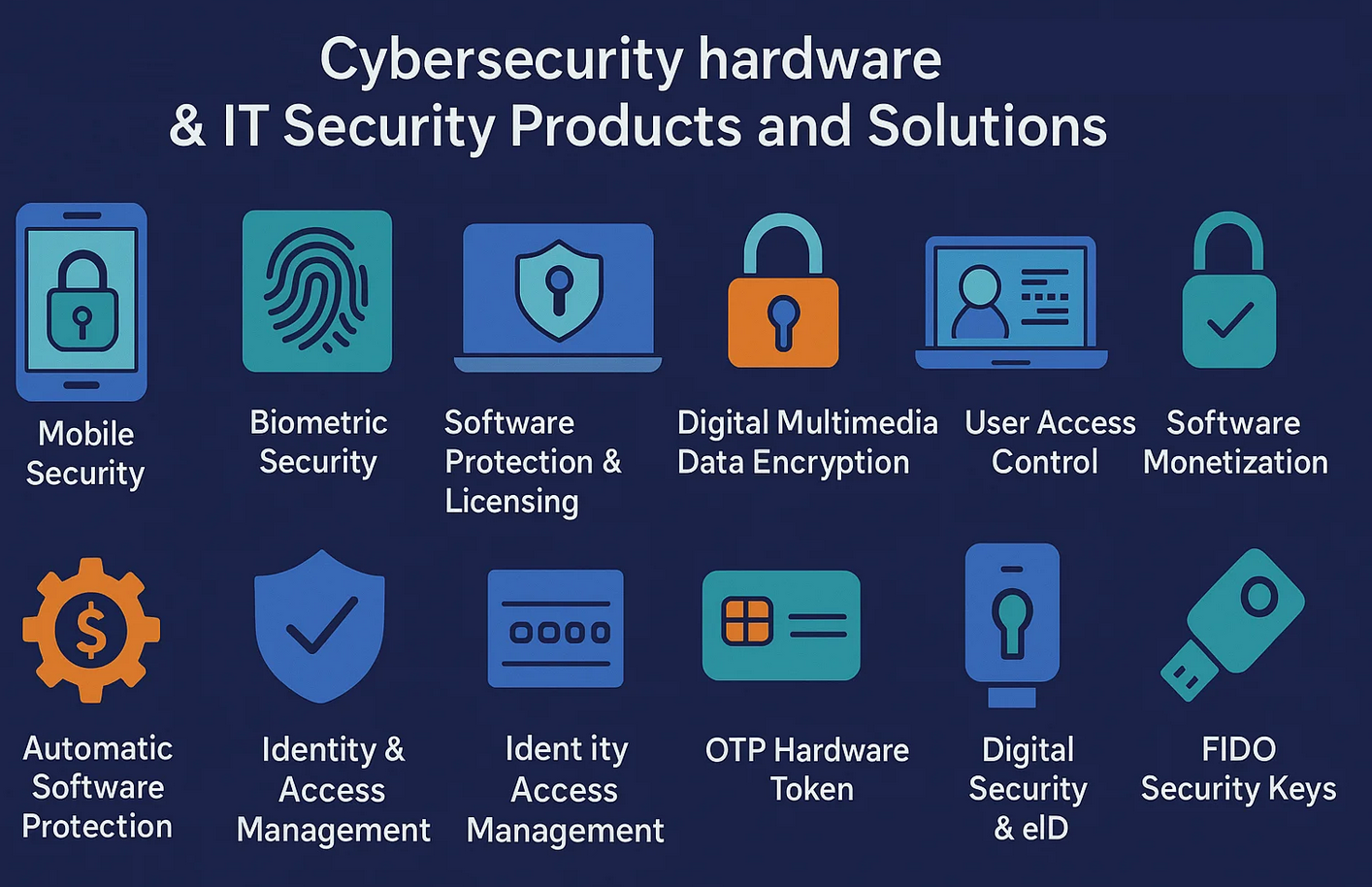
Software license protection is how organizations defend against these risks. It ensures that software is accessed only by authorized users, under the terms defined by the vendor. More than that, it translates business strategy into enforceable rules-turning pricing, packaging, and distribution models into technical reality. The stakes are high. Without robust software protection and licensing, companies risk not only revenue leakage but also the loss of intellectual property (IP) that makes them unique in the market.
Proprietary algorithms, methods, and code often represent years of R&D. Licensing systems act as digital locks, ensuring only authorized customers can run the software.
Licensing makes it harder to duplicate or crack software, reducing unauthorized distribution.
By enforcing usage rules, licensing helps organizations avoid legal and reputational risks tied to misuse.
(otherwise known as on-prem licensing) applies to any software installed on a local computer, device or license server, where it's only accessible locally. This was traditionally the only available software deployment method before cloud-based licensing was introduced.
involves software applications that are used, monitored and managed over the internet rather than hosted on local devices. Cloud software is more convenient to install, and allows providers to easily offer patches and software updates. Suppliers and software developers can see data in real-time on how customers use the software, helping them to make product improvements, adjust sales and marketing, or identify unauthorized software access. Cloud licensing also makes changes to license details easy to manage without physical proximity to a user's device. Customers can also amend authorized users, renew their software license or upgrade subscription tiers instantly.
refers to programs that are installed on systems and devices, such industrial machinery, medical equipment, automobiles, or consumer electronics. As hardware manufacturers increasingly embrace IoT monetization, the shift toward software-first business models continues at pace with embedded deployments exponentially on the rise.
Includes both cloud and on-premises aspects in one software license. It may be utilized by producers transitioning to the cloud, but also meet the needs of organizations that prohibit cloud access.
Represents perhaps the most important strategic consideration. Modern licensing systems must support not just current business models but also future evolution as markets change and customer expectations shift. Subscription and consumption-based pricing models require robust enforcement mechanisms, while freemium approaches need seamless upgrade paths from trial to paid usage.
has become essential as enterprise computing environments increasingly embrace diversity. Licensing systems must function consistently all deployments (on-premises, cloud and hybrid) while supporting virtual machines, containers, and cloud computing environments. This compatibility ensures that licensing decisions don't constrain deployment flexibility or limit market reach.
addresses modern work patterns where users operate across multiple devices and locations. Advanced licensing systems support license transfer between devices, temporary license checkout for offline use, and cloud-based licensing accessible from anywhere with internet connectivity.
considerations often determine customer satisfaction more than security features. Protection systems must minimize impact on application startup and runtime performance while maintaining consistent operation across diverse hardware configurations and network conditions. Clear error messages and graceful failure handling become crucial for maintaining positive customer experiences.